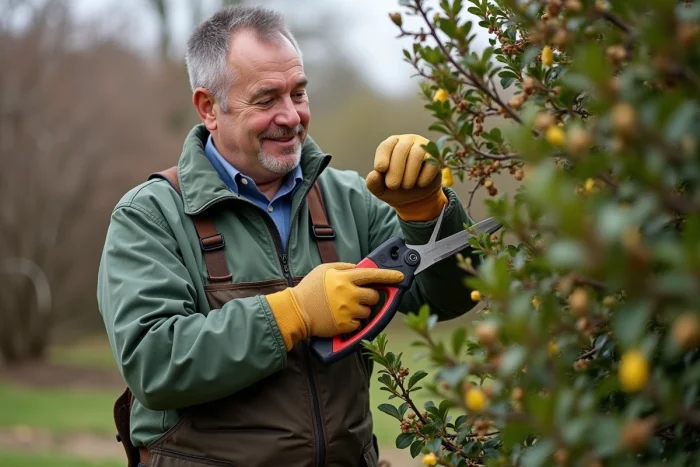
A frozen branch never tells the same story as the day before. After a biting winter, the mimosa no longer offers its fragrances but displays its scars to the gardener’s gaze. Pruning here is far from a trivial ritual: every gesture matters, every cut impacts the survival of the tree.
Speed is often confused with haste. Cutting too early, giving in to impatience, opens the door to diseases and the exhaustion of the mimosa. The damage from frost, hidden beneath the bark, rarely reveals itself at a single glance. Acting before the true resumption of vegetation risks stripping the tree of its last chances. Some gardeners prefer to wait until they see the first buds, while others examine each branch meticulously, refusing to accelerate a schedule dictated by the weather. Finding the right balance is not about renouncing action; it’s about choosing to give the shrub a chance to regain strength and brilliance.
Understanding the effects of frost on the mimosa: what really happens?
The mimosa is not just an ornamental shrub; it is an exotic guest that has managed to charm the gardens of the south while remaining at the mercy of frosts. While its bright appearance recalls Australian warmth, it has never learned to withstand the harshest winters of our regions. Acacia dealbata, often planted for its early flowering, shares the ground with Acacia retinodes or Acacia pravissima. Each faces the cold in its own way, but as soon as the thermometer flirts with -6°C to -10°C, danger lurks.
Frost does not merely blacken a few leaves. It attacks from the inside: cells burst, sap no longer circulates, and the branch loses its vitality. Yellowing foliage, softened twigs, and drooping ends without strength are often a stark sight at the end of winter. What the mimosa fears is heavy, waterlogged soil that cannot drain moisture. Only light, well-drained, slightly acidic or neutral soil allows it to hold on, even when the cold wind blows strongly.
In light of these observations, the question “how to prune a frozen mimosa” quickly occupies all minds. It is impossible to rely on a universal recipe: one must observe, compare, and then decide between dead wood and living wood. Varieties like Acacia retinodes, better suited to calcareous soils, sometimes show increased resistance, but none are invincible. Learning to spot weakness is already preparing for healing.
What actions to take to prune a damaged mimosa without worsening the damage?
Pruning a frost-damaged mimosa requires clarity and skill. First and foremost, ensure you have a well-sharpened, perfectly disinfected pruning shear at hand, as well as a lopper for thicker parts. This is not the time for haste or improvisation.
Wait until the end of flowering to take action. It is at this moment that the shrub begins to show signs of recovery or decline. Identify the dried segments: a branch that snaps cleanly under pressure will yield nothing more. Remove these dead parts without remorse, but do not go further than necessary. The cut should pass through the dry wood until it reaches green, a sign of vitality. Prefer a clean, slightly angled cut to avoid water accumulation and limit disease penetration. On larger cuts, do not hesitate to apply a suitable sealant: it provides an additional barrier against infections.
It may be tempting, faced with a severely damaged mimosa, to cut everything back at once. This would be a mistake. It is better to stagger the pruning over two years if necessary, allowing the tree time to rebuild its reserves and ensure a gradual recovery. Keep in mind that patience is your best ally.
Here are some essential points for successfully carrying out this delicate operation:
- Only intervene when the weather is dry and mild, never during frost or persistent humidity.
- Remove faded flowers to encourage the mimosa to bloom again the following season.
- Watch for the appearance of new shoots: they signal the shrub’s ability to restart.
In short, each pruning should serve the goal of revival, never exhaustion. Let the mimosa catch its breath, and the promise of a new bloom will not be in vain.
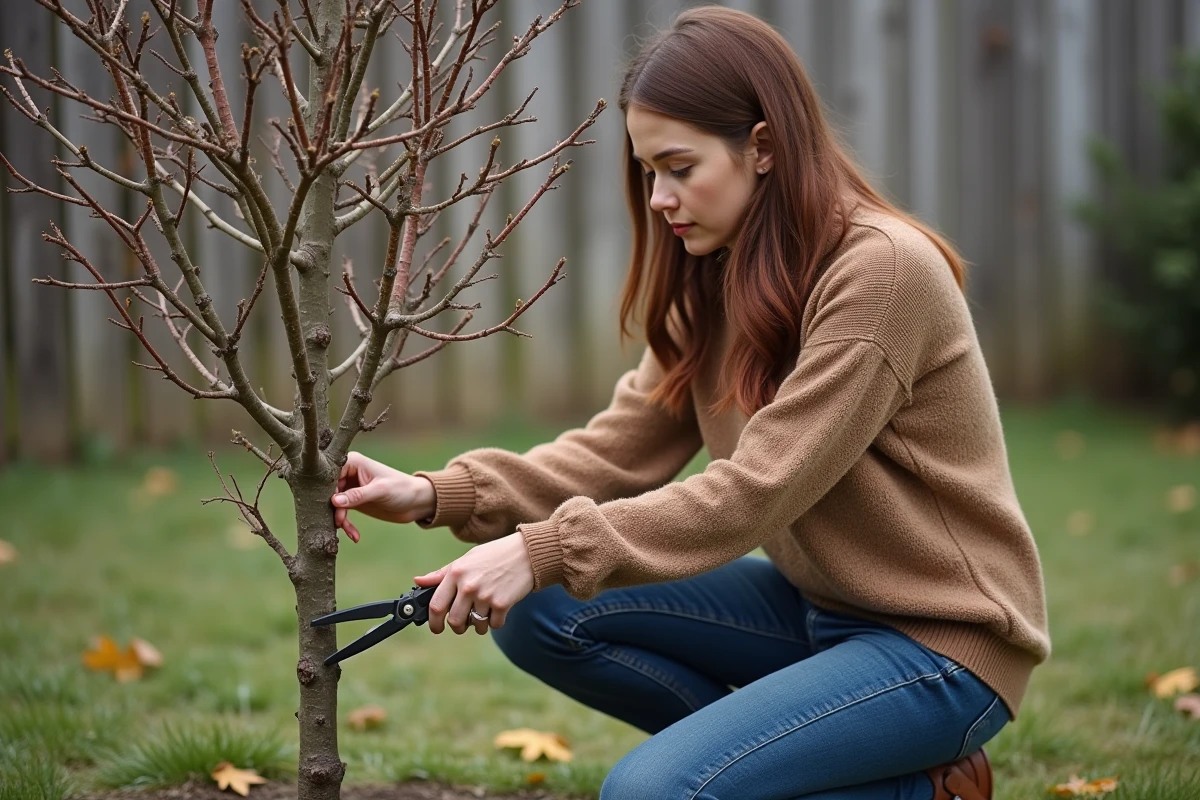
Preserving the health of your mimosa: tips to strengthen its resistance against future winters
The fragility of the mimosa against frost is not a fatality. It simply imposes a few rules on those who wish to enjoy its light in winter. Provide it with light, acidic or neutral soil enriched with sand, and ensure that water drains away without stagnating. Lime, strong winds, and excessive humidity are its declared enemies. It is up to you to anticipate risks to prevent the next winter from leaving new scars.
Some simple actions can sustainably strengthen the mimosa:
- Install an organic mulch at the base in autumn: pine bark, dead leaves, or compost protect the roots from the cold while maintaining measured moisture.
- During intense cold or for young plants, prefer winter fleece. Light, it cushions thermal shocks without hindering the plant’s respiration.
- Moderate watering, especially during the first two years. A waterlogged soil promotes root rot, one of the worst scourges for the mimosa. It is better to water infrequently than to maintain constant humidity.
Also pay attention to the health of the shrub. Scale insects or aphids weaken branches already stressed by the cold. Quickly spot their presence, treat with a soapy solution, or remove them by hand. Adding well-decomposed compost or a balanced fertilizer (10-10-10) supports growth without excess while strengthening overall resistance.
The mimosa thrives surrounded by other Mediterranean plants: lavender, rosemary, cistus, thyme. This diversity creates a protective microclimate and attracts beneficial wildlife. However, maintain a sufficient distance from walls, as its roots crave space.
No mimosa is invincible against frost, but an attentive gardener can turn each winter into a mere interlude. The tree, sometimes marked, will know how to regain its splendor, and perhaps that is where lies, year after year, the greatest victory of the garden.