
144 minutes. This is the maximum advertising time that a major French generalist channel can broadcast in a single day. A figure that doesn’t come out of nowhere, but results from a well-oiled mechanism, framed by law and shaken by the whims of programming, seasons, and commercial strategies.
This number fluctuates, sometimes dramatically, depending on whether the channel is broadcasting a global sporting event or an ordinary evening. Seasonal campaigns, exceptional operations, all of this adds to the mix: the television advertising market is never static. Behind each spot, the exposure of brands, the attention of viewers, and, of course, the financial stakes of broadcasters and advertisers are at play.
French television: a privileged ground for advertising and its audience
Television remains one of the pillars of advertising in France. Generalist or thematic, major channels orchestrate the broadcast of thousands of advertising messages every day. Between two shows, at the opening or closing of the evening, advertising intersperses and sets the rhythm of life for millions of households. At each time slot, there is a set of spots and announcements, inserted into a programming designed to capture attention.
Public service channels, like France Télévisions, rely on a massive, loyal audience, often gathered around news broadcasts or major events. According to Médiamétrie, the France Télévisions group attracts several million viewers daily to its programs. Private channels, on the other hand, multiply advertising screens, always respecting legal limits. Their goal: to maximize exposure, attract advertisers, and generate revenue. A delicate balance to find.
But television advertising is not improvised. It evolves within a precise regulatory framework, shaped by the decree of March 27, 1992, and then reinforced by the public health code. Certain sectors remain completely banned from screens, such as tobacco or alcoholic beverages, and debates about the volume of sound in ads regularly resurface. To understand how this market works, the number of ads per day on channels stands out as a benchmark indicator, at the intersection of economic logic and societal demands. The number of spots broadcast each day provides a snapshot of the sector’s vitality, where profitability and respect for the viewer are constantly negotiated.
How many ads are broadcast each day on French channels? Key data and current trends
The daily volume of television ads in France highlights the power of television as a medium. A major generalist channel can schedule up to 144 minutes of advertising over 24 hours, spread across 12 to 16 advertising slots depending on the schedule and period. This reality varies from one channel to another, depending on the type, regulations, and campaign calendar.
The law sets very strict limits: the decree of March 27, 1992, caps advertising at 9 minutes per hour for most channels, excluding special devices or sponsorships. Certain sectors remain completely excluded: tobacco products, alcoholic beverages exceeding certain thresholds, gambling… Recently, targeted advertising has entered the landscape: it adapts content to viewer profiles, but without artificially inflating the number of spots.
In addition to these constraints, there is a diversity of formats. Classic spots, program sponsorship, product placement allowed in fiction or magazines… News broadcasts and information magazines attract the largest audiences, but programming distributes advertising screens to maximize visibility throughout the day. Advertisers, broadcasters, regulators: each continuously adjusts advertising pressure to avoid saturation while maintaining a constant presence with the public.
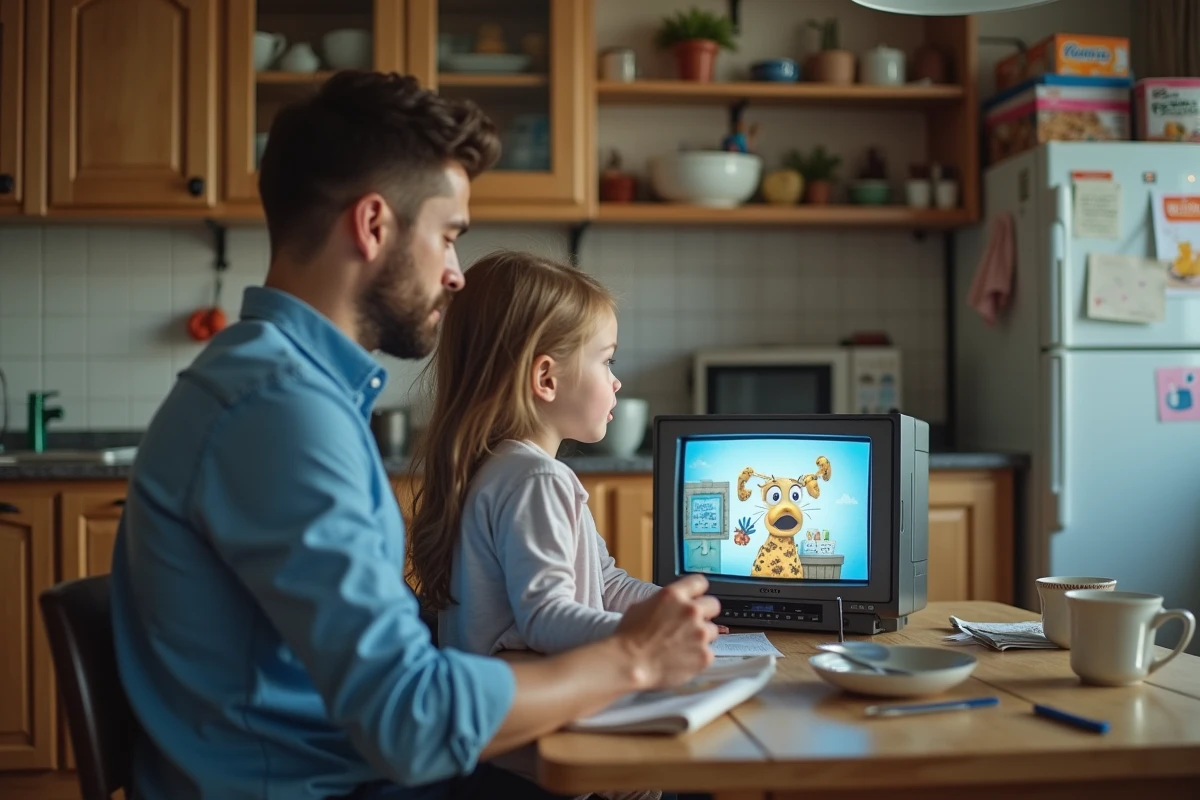
How to succeed in your advertising campaign on television: steps, tips, and professional solutions
Setting up a television advertising campaign is not improvised. First step: precisely define who you are targeting. Thanks to targeted advertising, it becomes possible to adjust the message according to the audience profile, while scrupulously respecting rules of protection and dignity. Regulations impose clear barriers, whether on sectors that are completely prohibited (tobacco, alcohol beyond thresholds, gambling, certain medications) or on content framing, in order to preserve the social responsibility of industry players.
The impact of a spot relies on the relevance of the chosen format: classic spot, integrated product placement, program sponsorship… The context of broadcasting is important. Prioritizing screens around major news broadcasts or high-audience programs maximizes visibility. The duration of the spot must be calibrated precisely: every second counts in front of millions of viewers, and attention is gained or lost very quickly.
The success of a campaign also depends on the right choice of time slot. News broadcasts and current affairs editions attract large audiences, while morning, afternoon, or prime-time slots do not offer the same reach. The visual and sound content must be crafted carefully: too high a volume can irritate, while a bland message goes unnoticed. Adhering to the regulatory framework, particularly that of the decree of March 27, 1992, remains an obligation to avoid any risk of withdrawal from broadcasting.
Here are some tips to optimize the effectiveness of your campaign:
- Analyze audience expectations and adjust the message accordingly
- Integrate product placement when the program format allows it
- Evaluate results using audience measurement tools and advertising performance analysis
French television, far from losing steam, continues to shape the advertising landscape. For brands, the challenge is no longer just to be seen, but to leave a lasting impression in the midst of a flood of images that keeps rolling by.