The same job title never tells the whole story. From one workshop to another, from one region to the next, the label hides disparate realities. Expected skills, responsibilities, salaries: old frameworks persist, while demands evolve at a rapid pace. Manual trades, on the other hand, do not remain static. The need for qualifications, the search for versatility, the valorization of know-how: everything is changing, but not always at the same speed.
Technical innovations, recruitment difficulties, pressure on human resources: these are what shake up the references of craftsmanship. Industries are readjusting their frameworks, without erasing the disparities from one sector to another. Valuing experience, recognizing skills, negotiating status: the tension remains palpable between artisans and those who employ them.
Craftsmanship today: economic engine, job pool, and new challenges
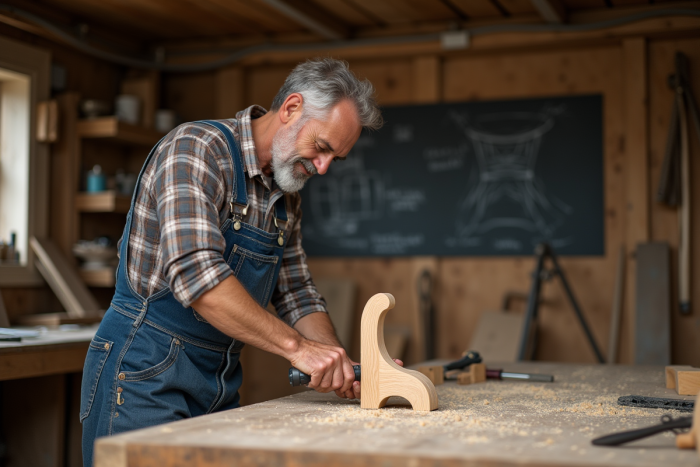
It is impossible to reduce craftsmanship to a postcard of traditions. Manual trades permeate France, from the discreet village to the vibrant city, relying on 3 million jobs and 1.7 million artisanal businesses. Whether it is about producing, creating, or providing services, each workshop, each site carries the energy of a sector that never tires.
But daily life has become more complex. Finding skilled hands, coping with shrinking margins, responding to training demands: challenges are piling up. Professional organizations are readjusting statuses, classifications, and references. The artisan entrepreneur moves forward, balancing loyalty to the gestures of yesterday with adaptation to today’s expectations: speed, transparency, quality control.
Statuses are evolving as well. The difference between a qualified worker P1 P2 and other profiles no longer depends solely on time spent, but on the ability to acquire, transmit, and renew knowledge. This recognition, now better articulated, structures internal mobility and the attractiveness of the sector.
To better understand these changes, here are the major trends currently shaping craftsmanship:
- The creation of artisanal businesses is accelerating, driven by those seeking more autonomy and meaning in their work.
- Manual work is regaining a central place: society celebrates the gesture, transmission, and patient mastery.
- The artisanal business leader is establishing themselves as a versatile figure: they manage, train, innovate, and uphold demanding traditions.
Everything remains to be built: developing training, tirelessly adapting classification grids, supporting the ecological and digital transformation of French craftsmanship. This sector acts as a laboratory where the contours of tomorrow’s work are already taking shape.
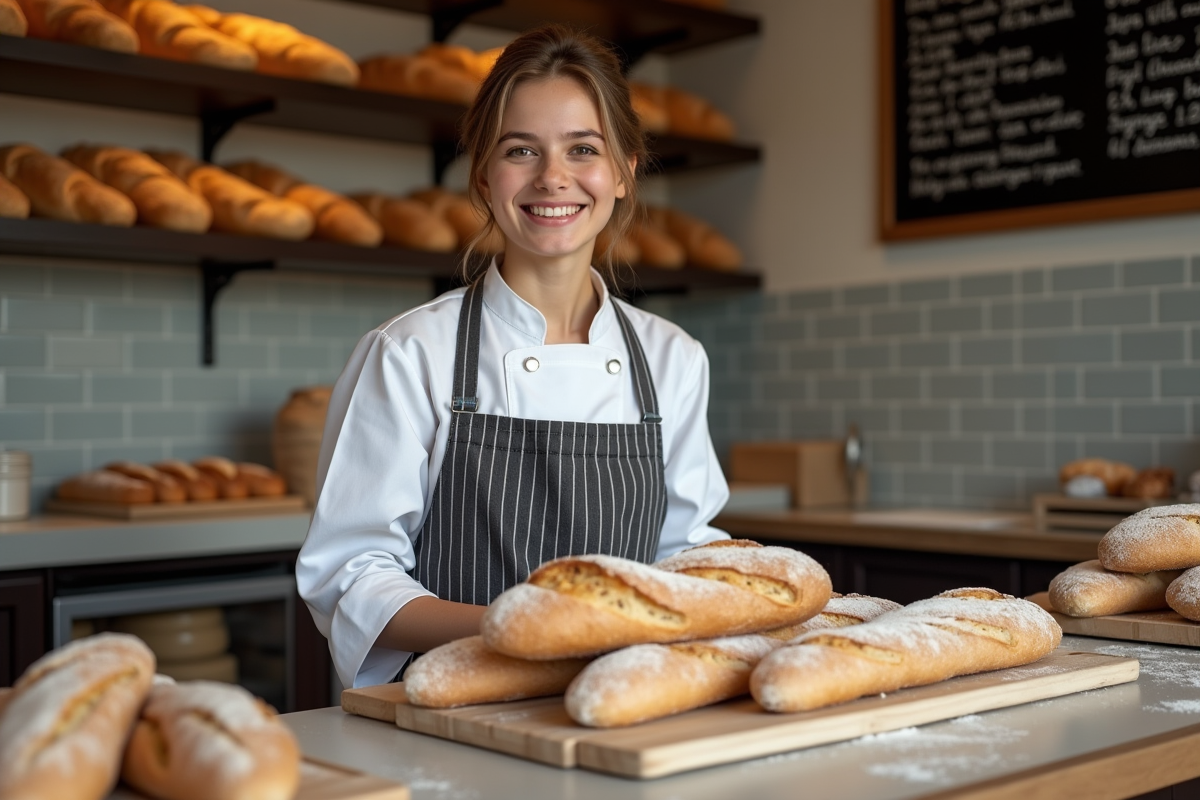
How classifications evolve and transform paths in manual trades
In manual trades, the movement is accelerating. Classifications that have long been stuck in outdated hierarchies are being shaken up by the actions of the chambers of crafts and the evolution of the occupational directory. The benchmarks are changing: skills development, validation of acquired knowledge, access to continuing education have become essential steps for every artisan business leader.
An example: the title of master artisan is no longer obtained merely by accumulating years, but by demonstrating a rich journey, an ability to transmit, innovate, and supervise. Training centers, such as the institute of trades in Paris, are revising their curricula: they integrate entrepreneurial reality and the obligation to adapt continuously.
To illustrate this transformation, several major developments are emerging:
- The creation of businesses in craftsmanship now benefits from tailored support.
- Transitioning from artisan to entrepreneur requires following professionalizing modules tailored to each stage of the journey.
- Access to artisanal credit increasingly relies on recognized and updated qualifications.
Rewriting classification grids is not limited to checking new boxes. This work encourages the emergence of profiles from unexpected backgrounds, challenges stereotypes about the contempt for manual work, and attracts new talents. The workshop is no longer a separate place: it opens up, engages with society, banks, and training institutions. Craftsmanship no longer just transmits: it reinvents itself and shapes society in its own way.