
Borrower insurance can double the total cost of a mortgage over twenty-five years. The condominium fees, often underestimated at the time of purchase, regularly face unexpected increases. The withdrawal period, also set at ten days, is not enough to detect hidden defects or structural flaws.
Some municipalities impose little-known development taxes, making local taxation much heavier than expected. Quick resale exposes one to capital losses, even in a dynamic market. Real estate purchase, far from being a smooth journey, hides traps that most buyers do not suspect.
What is often forgotten before buying: the hidden traps of ownership
Diving into real estate purchase is never just an administrative formality or a simple matter of signing. Once the sale is concluded, reality sets in: additional costs pile up. Notary purchase price, transfer taxes, local taxes, mandatory diagnostics… The first payment will only be the beginning. During the first months, every new envelope that lands in the mailbox demands its share, without exception. In Paris as in Lille, the dream of becoming a primary residence owner quickly faces an avalanche of funding calls, condominium fees, and now unavoidable energy renovation work, dictated by standards that change without warning.
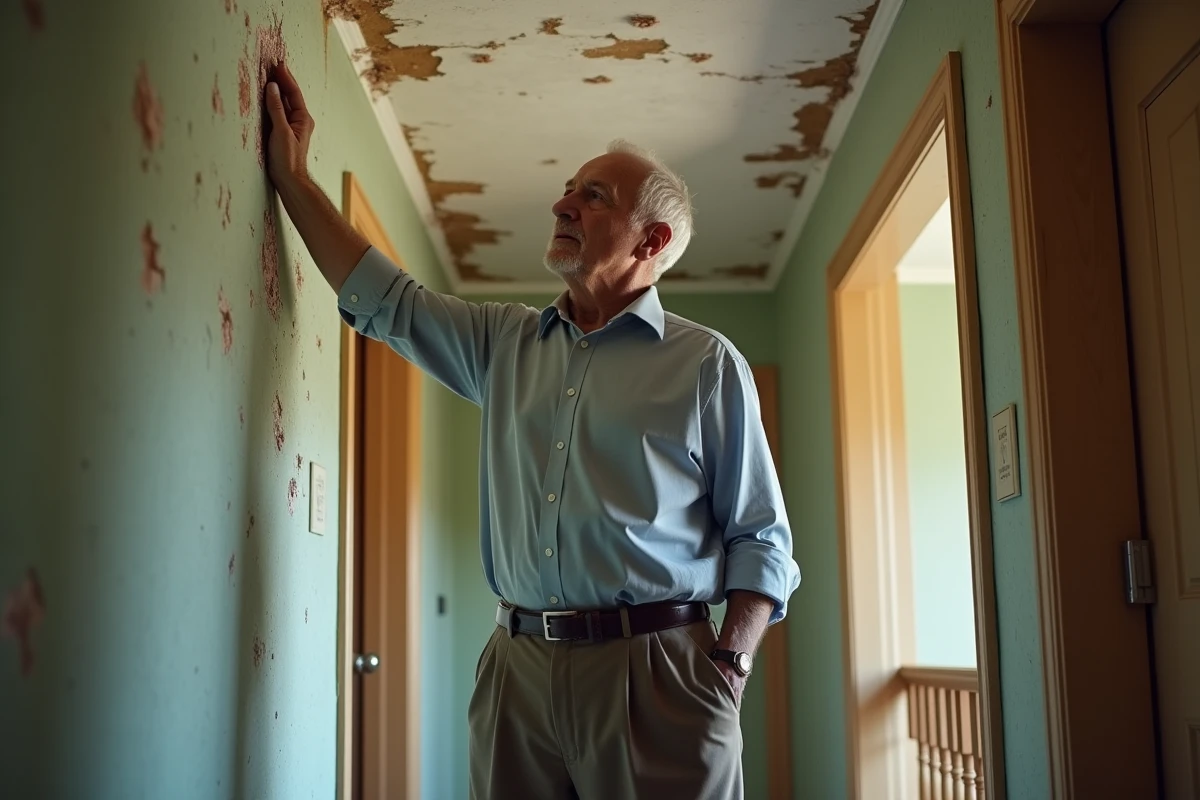
Managing a property is not just about settling in and crossing your arms. Vigilance is required at every moment. A water damage incident plunges you into an administrative jungle. Each disaster reveals the complexity of protecting real estate assets. In France, a simple crack in a condominium can turn into a marathon between experts, general assemblies, and multiple quotes. Investment is never an automatic guarantee of returns: resale, especially outside major metropolitan areas, exposes one to unpredictable price fluctuations and a mobility that is much more limited than one might imagine.
The question of borrowing capacity weighs heavily: a mortgage often commits one for twenty years or more, and the slightest personal setback can jeopardize the entire project. Between economic instability and professional changes, the adventure proves risky, particularly for young households.
Before signing, it is worth examining in detail the advantages and disadvantages of ownership. For those who wish to go further, many specialists recommend consulting the disadvantages of being a homeowner. Taking this time for reflection prevents rushing in headfirst and allows for approaching the purchase with welcome clarity, far from the euphoria of the first visits.
Should you really believe everything during visits? Points to check to avoid unpleasant surprises
Real estate visits often have a déjà vu feel: skillfully oriented light, calculated staging, reassuring seller speech. But the reality of real estate purchase only reveals itself once the door is closed and the signature is placed at the notary’s office. For those who know the real estate market well, every detail counts, and every silence deserves attention.
Before committing, one must examine the property without being distracted by the first impression. The state of technical diagnostics, asbestos, energy performance, electrical compliance, must be scrutinized. These documents, required by law, provide an honest snapshot of the property’s condition. In older properties, unpleasant surprises often await where one looks the least: behind a partition, under a roof, or behind a fresh coat of paint.
Points of vigilance during a visit
To leave nothing to chance, here are the main elements to check during a real estate visit:
- Inspect the common areas, especially in older buildings in Paris or Lille: elevator, roof, condition of the pipes, all of which can generate unexpected expenses.
- Ask the seller for details about past and upcoming work voted in the general assembly. Condominium fees can quickly escalate, especially after a facade renovation or mandatory energy renovation.
- Take the time to analyze the neighborhood and its evolution. An attractive price in a low-dynamic area, or near an uncertain urban project, may hide stagnation in the local real estate market.
- Check for the presence of easements or suspensive conditions in the sales agreement. The eye of a real estate expert or an experienced notary can help avoid many disappointments.
The informed buyer does not stop at an old floor or a sunny balcony. They question, measure, photograph every detail. The diagnostics are a foundation, but managing risks, carefully reading the charges, and understanding the market dynamics in major cities like Paris, Marseille, Lyon, or Lille are reflexes to adopt. A displayed purchase price does not necessarily reflect the real value, especially when the mortgage stretches over twenty years.
Small negotiation tips and advice to avoid overpaying for your future home
Successfully making a rental investment or purchasing a primary residence starts with a thorough market analysis and a negotiation conducted with composure. Before making an offer, it is wise to consult the latest sales completed in the building or street: it is the notary purchase price that sets the tone, not the seller’s ambitions. In Paris, Lille, or in cities where rental tension is felt, the gap between the displayed price and the price actually signed can reach several thousand euros.
Faced with a seller who often expects a generous first offer, one must build their argument. Point out, for example, the condition of the kitchen or bathroom, the necessity of energy renovation work, or the weight of condominium fees. Presenting a solid bank file, advantageous rates, and proven borrowing capacity reassures the seller and strengthens the negotiation position, especially when obtaining a mortgage becomes more difficult.
Before making an offer, check these strategic points:
- Look at the duration of vacancy rates in the area: a property that stays on the market for a long time often hides a significant negotiation margin.
- Request the list of voted works or scheduled: their amount directly influences the real value of the property.
- Leverage, if necessary, the available tax advantages (such as the status of professional furnished landlord) to adjust your proposal during a rental investment.
In large cities, managing supply and demand has never been more decisive. Inquire about upcoming urban projects: new metro line, neighborhood rehabilitation… These elements weigh on rental profitability and the future value of the property. By keeping an eye on every expense item, from the purchase price to notary fees, from loan rates to taxation, one avoids turning a property project into a financial burden. Buying also means refusing to be swept away: a thoughtful choice today often makes for happy homeowners tomorrow.