47%. This is the percentage of growth in the use of connected HR platforms in the French retail sector over just four years, according to the Digitalization Observatory. The numbers do not lie. Behind them, a silent revolution is taking place: technology is infiltrating the daily operations of retail outlets, changing the way teams are planned, compensated, and supported.
Digital solutions are no longer confined to the plush offices of large brands. Now, local businesses are also embracing the automation of administrative tasks. This transformation is not just a matter of productivity or competitiveness against rivals. It disrupts management rituals, questions the relationship with work, and reshapes the contours of professional attractiveness.
Digital as a driver of evolution for in-store human resources
The HR transformation is no longer just an abstract concept. It is taking shape on the ground. The massive arrival of digital tools is revolutionizing the way teams are managed. Processes are becoming more fluid, internal communication is being reinvented, and responsiveness is becoming second nature. Managers and store leaders witness daily the extent of human resources digitalization, driven by a technological wave and the desire to optimize every cog in human resource management.
The implementation of an HRIS, these HR information systems, reshuffles the cards regarding work organization. Here are the major transformations we are concretely observing:
- A centralized and instant access to schedules for all team members,
- automated absence management, which reduces forgetfulness and speeds up replacements,
- the securing of personal data, which has become imperative in a context of strengthened regulations.
Thanks to a resource information system, it becomes possible to anticipate needs, adjust staffing according to activity peaks, and ensure impeccable regulatory compliance. The health crisis served as a catalyst: digitalization has become essential to preserve, among other things, quality of life at work.
This movement comes to life through feedback from the field. For example, the testimony of a collaborator from Auchan HR4You highlights the transformed daily life: “The centralization of information and the simplicity of processes lighten our tasks, allowing us to focus on supporting teams and developing skills.” Less paperwork, more presence with employees. Managers breathe easier, teams become empowered, trust is established, centered around data, but above all around people.
The integration of digital tools far exceeds the administrative sphere. It is now shaping corporate culture, modernizing the employee experience, and tightening the link between headquarters and the field. Priorities are evolving: securing data, boosting collective performance, transforming digital into a sustainable asset. Those who understand this no longer wait; they move forward.
What concrete levers to strengthen team management in local commerce?
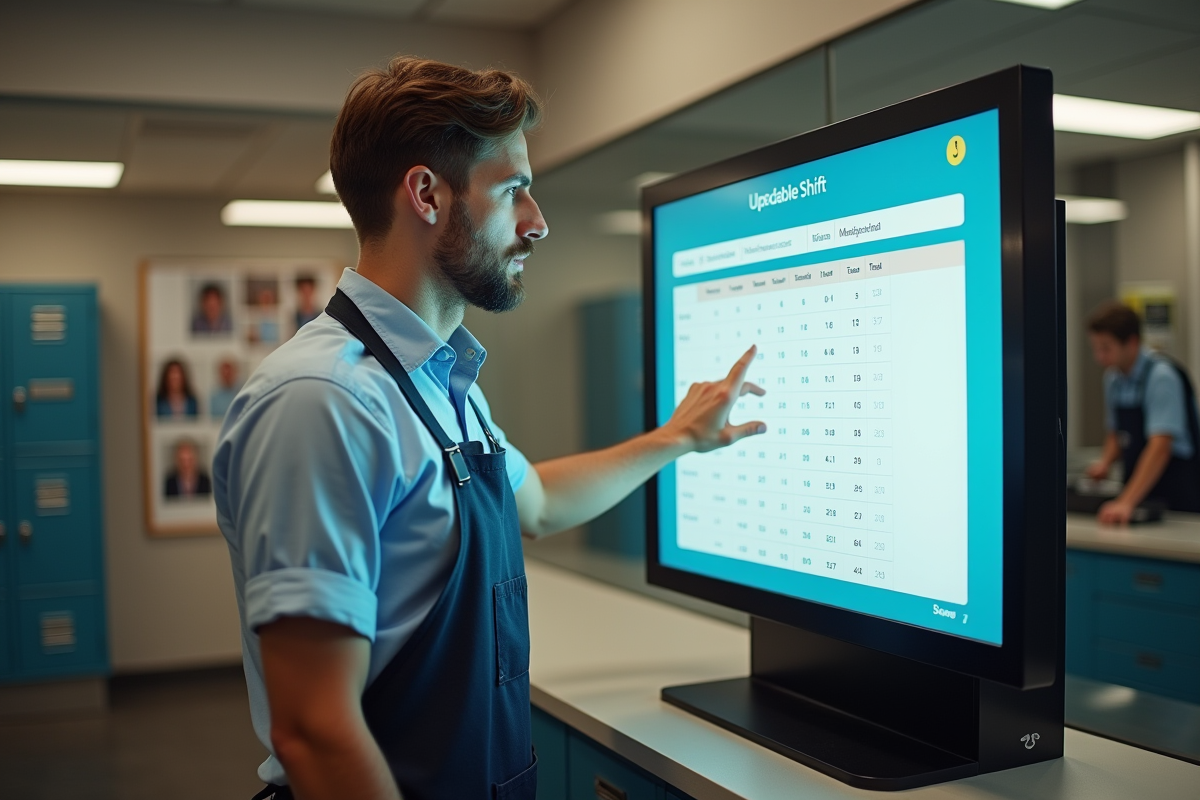
Digital solutions have become essential allies in the daily lives of store managers. Payroll and absence management are lightened: a digital tool centralizes leave requests, tracks absences in real-time, and automates information transfer. The risk of errors decreases, and transparency increases.
On the talent management side, digital opens up new perspectives. Specialized platforms facilitate access to training, allow for precise targeting of skill needs, and offer tailored pathways. Employees take charge of their development, while managers rely on reliable indicators to guide their teams’ skill enhancement.
Here are the most concrete contributions of these new tools:
- Centralization of schedules and absence requests for better collective organization,
- automation of HR administrative processing, resulting in significant time savings,
- simplified access to training and skill tracking for accelerated professional development,
- enhanced communication between employees and management, fostering agility and cohesion.
Well-being at work also hinges on the ease of processes: an ergonomic platform limits time wasted on paperwork and frees up energy to support employees. However, the adoption of these tools depends on active awareness: training, explaining, reassuring, to transform digital into a cohesion lever. Today, team management connects to the field, adapts, and evolves. And this movement shows no signs of slowing down.